
Metro HaSaraf, Ramat HaSharon
Near the Future Metro Station in Western Ramat HaSharon
City
Ramat HaSharon
Statuss
Approved Master Plan
Projected Savings on Final Apartment
Hundreds of Thousands of NIS
GET STARTED
Start Your Israel Real Estate Journey Today
Fill out the form to schedule a free, no-obligation consultation with our advisory team.
No-obligation discovery call
US-based bilingual advisors
Full project deck delivered to your inbox
What is the Metro HaSaraf Project in Ramat HaSharon?
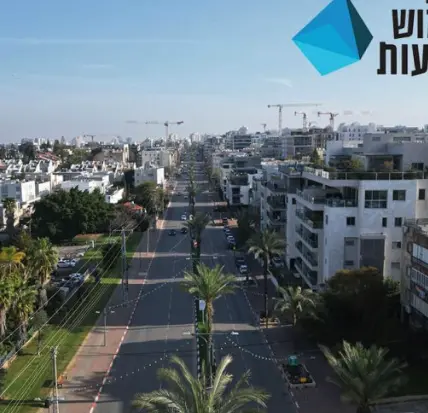
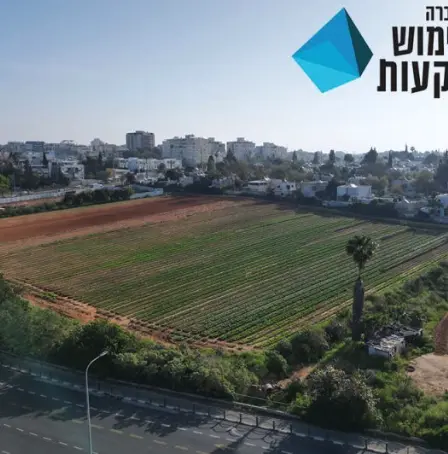
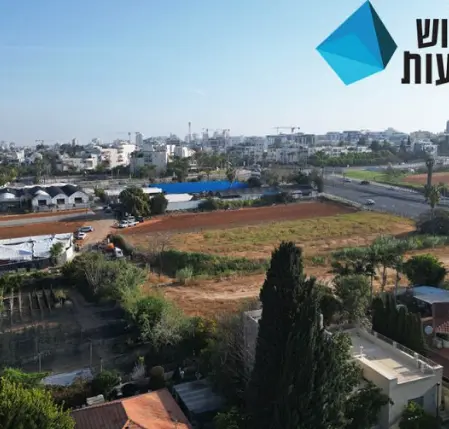
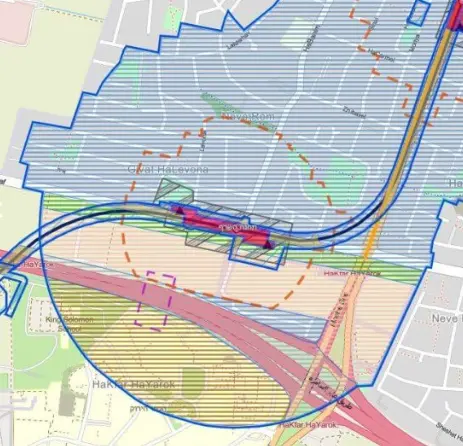
The Metro HaSaraf project in Ramat HaSharon is located in the west of the city, north of the Kfar HaYarok Interchange, west of the Neve Rasko neighborhood, and in direct proximity to the approved "HaSaraf" metro station.
The complex enjoys a strategic location in the heart of Gush Dan's high-demand area, close to Route 5 and only about 1-2 km from the Glilot area—one of the most significant and expensive employment, commercial, and residential hubs in Israel.
This is an area with significant planning and economic potential, part of a national policy for development around metro stations, which includes intensive construction and advanced urban densification.
The land in the project is private land registered in the Tabu (Land Registry) and is located in a complex with a neighborhood character between two existing residential neighborhoods. For investors looking for land to invest in Ramat HaSharon, this is an area with significant location advantages, offering high accessibility to Tel Aviv and the future metro system.
TAMA 70 – A Plan That is Changing the Face of the State of Israel The land reserve in western Ramat HaSharon is included under TAMA 70, the national master plan for development around metro stations, prepared by the National Planning and Building Council and approved by the Israeli government.
This is one of the most significant planning programs promoted in Israel in recent decades, aiming to change the structure of urban development in the country and create new residential and employment hubs around the future metro system.
TAMA 70 determines the locations of metro stations and the lands designated for development and construction around those stations, establishing a clear policy of urban densification, increased building rights, and intensive development near high-capacity public transport.
This means the state is essentially redefining the future development areas of Gush Dan, with lands adjacent to metro stations enjoying a clear planning preference and long-term planning aimed at turning them into major residential centers.
In the case of the HaSaraf complex in Ramat HaSharon, there is an especially high level of planning certainty. The very inclusion of the land in the approved plan grants it the status of land designated for building within the metro's development area, rather than just general agricultural land without a clear planning direction.
Moreover, TAMA 70 doesn't just designate the land for future development; it also defines minimum building volumes upon which complexes around metro stations will be planned. This means an official planning policy already exists, approving in principle intensive and dense construction in the area, based on a clear national vision of transit-oriented development.
This is a very substantial difference compared to many other lands on the market, where there is no certainty regarding future designation for construction or potential building rights. Here, it is an approved government plan that already defines both the designation for development and a planning framework that includes minimum building percentages—data with immense planning and economic significance for landowners and investors.
What are Metro Rings and Why is Proximity to the Station Important? One of the central principles in planning around the metro is the "Rings" model. This is based on the idea that the closer the land is to a metro station and public transport hubs, the more intensive the construction and the broader the building rights allowed.
According to national planning policy, areas located in the first ring around a metro station generally enjoy higher density and more significant building volumes compared to more distant areas. The rationale is the desire to concentrate construction and urban development specifically around central transit hubs, aiming to reduce dependence on private vehicles and create quick access to city and employment centers.
This approach has become one of the founding principles of metro planning in Israel, significantly reinforcing the importance of residential land in Ramat HaSharon located in direct proximity to an approved metro station, as is the case with the HaSaraf complex.
One of the Most Sought-After Areas in Israel Ramat HaSharon is considered one of the highest-quality, most expensive, and most sought-after cities in Israel, boasting a very strong demographic, a high standard of living, and constant residential demand.
The complex's proximity to Tel Aviv effectively makes it an integral part of the Tel Aviv metropolis. Many residents of Ramat HaSharon work, socialize, and manage their daily lives in Tel Aviv, but choose to live in a city that offers a higher quality of life, a quieter environment, and a more prestigious character.
In fact, for many, Ramat HaSharon serves as a sort of "prestigious bedroom community" for Tel Aviv—a rare combination of immediate proximity to Israel's economic center and living in a highly sought-after, quality area.
Furthermore, the proximity to Glilot—one of the largest, most expensive, and most significant development hubs in Israel, comprising residential, employment, and commerce—further strengthens the area's potential. Today, land and real estate prices in Glilot are already at exceptionally high levels, and the price gap between the Glilot area and the land in the HaSaraf complex illustrates the future betterment potential of the area as planning and development progress.
For those looking for residential land or investment land in Ramat HaSharon, this is a rare area offering a combination of high demand, transit accessibility, and a relative shortage of land reserves. Additionally, for many investors, investing in land in Ramat HaSharon serves as an alternative to investing in land in Tel Aviv, a market where available private land for construction is practically non-existent.
The amount of private land for construction in the center of Israel, and especially in Tel Aviv, is extremely minimal. Therefore, the fact that under TAMA 70 the land in the HaSaraf complex received the status of land designated for building—having not been defined as such in the past—creates a significant window of opportunity for investors looking to enter at a relatively early stage, before the advancement of detailed planning and actual construction.
This is also one of the reasons many investors who sought land for investment in Tel Aviv invested in Ramat HaSharon instead, understanding there is a window of opportunity that must be seized.
The Investment Potential in the Metro HaSaraf Complex Beyond the planning potential itself, the future metro system is expected to have a significant impact on property values in the area. In general, advanced transport infrastructure is considered one of the main factors influencing property value appreciation due to improved accessibility, shortened travel times, and increased residential demand around stations.
This takes on particularly strong significance in an area like western Ramat HaSharon, where housing and real estate prices are already at very high levels even before the impact of the metro and future development.
Additionally, it is important to understand that the betterment potential in this type of land stems not only from the future construction itself but also from the planning process. In many cases, the very statutory advancement, approval of plans, and transition to more advanced planning stages can significantly impact land value, years before actual construction begins.
Project Advantages:
Private land registered in the Tabu (Land Registry)
Included in the government-approved TAMA 70 plan
Direct proximity to the approved "HaSaraf" metro station
Land in western Ramat HaSharon – one of the most sought-after areas in Israel
Immediate proximity to Tel Aviv, Glilot, and Route 5
Area with a neighborhood character, adjacent to residential neighborhoods on both sides
Significant residential land potential in Ramat HaSharon
A relatively small complex, which may facilitate planning advancement
Potential for intensive construction due to metro proximity
Land designated for building as part of national planning policy
Area with high demand and a relative shortage of private land
Accompanied by a veteran and experienced entrepreneurial company
Is It Worth Investing in the Metro HaSaraf Project in Ramat HaSharon?
The Metro HaSaraf area in western Ramat HaSharon is considered one of the most intriguing and unique areas around Gush Dan's future metro.
If you are an investor who understands the potential of land investment in high-demand areas—and specifically land for construction near residential areas in Ramat HaSharon—you should definitely consider an investment in this complex. This is especially true given the high planning certainty, direct proximity to the approved metro station, and the future potential of land undergoing rezoning in one of the most sought-after regions in Israel.
(Note: E&OE. Images are for illustrative purposes only. The land is not currently available for construction.)